
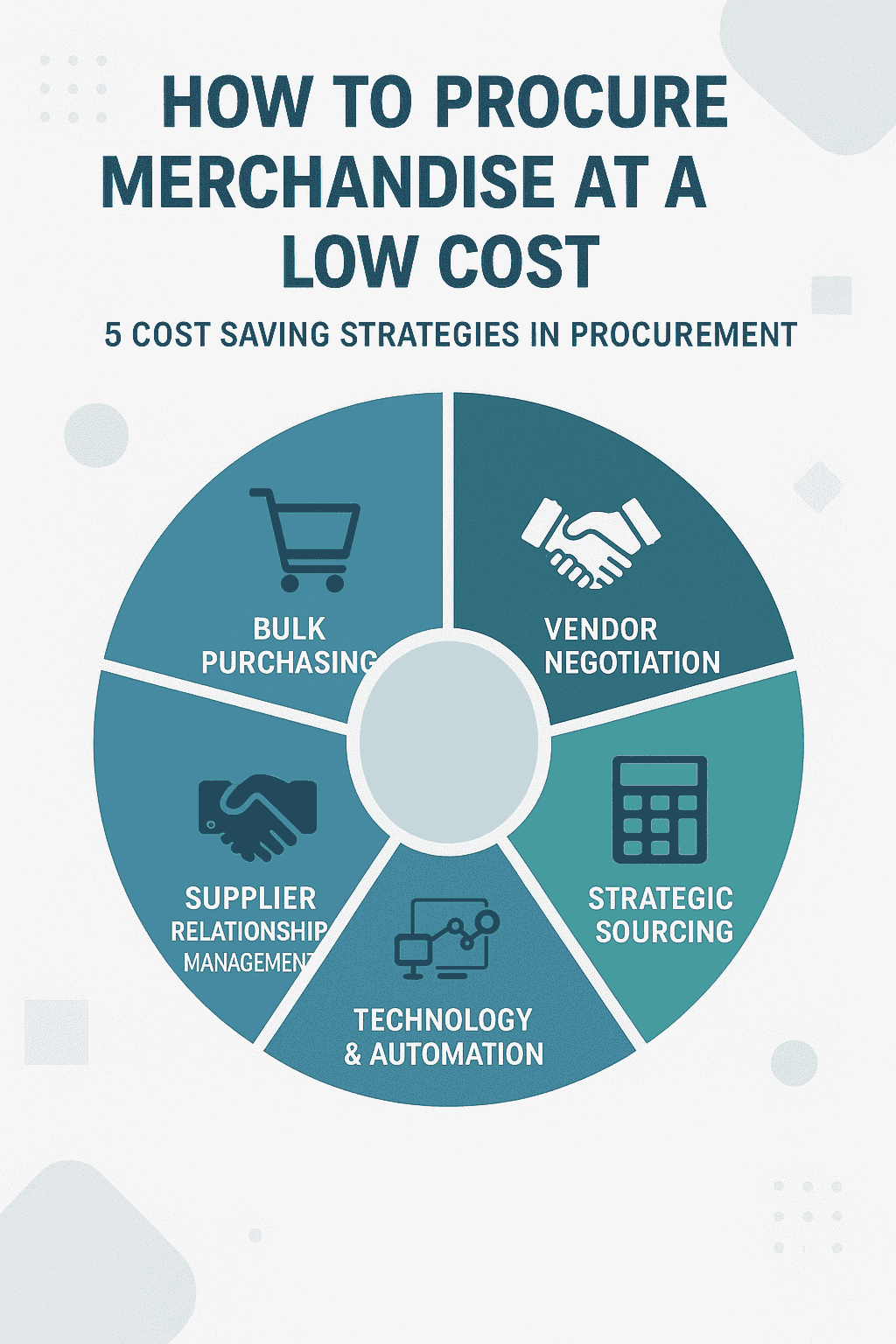
Buying things is an important part of running a business since it affects how much money it produces and how well it competes. Businesses are continuously seeking for methods to cut costs without decreasing the quality of their goods. The corporate world is incredibly competitive and moves quickly, which is why this is the case. You may save money and make the whole process go more easily via smart sourcing and buying. This post will provide you five tips on how to save money as you shop. Then, it will show you strategic sourcing methods that can make the buying process even better.
1. Buy a lot to get a lower price.
One of the easiest ways to save money is to buy things in bulk. If you buy a lot of something, many stores will give you a huge discount. If you plan to buy a lot, you’ll receive better deals and pay less for each item. You might start making money right away with this.
There are a lot of good things about buying in bulk:
- Lower Prices: Each item costs less the more you buy. This will help you save money in the long run.
- When you buy a lot of something, it’s easier to stick to your budget and plan how much you’ll spend.
- Less money for shipping: Some businesses will send you a lot of products for free or for a small fee. This lowers the entire cost.
You should think about the following when you buy a lot of something:
- Think about how quickly the things you want to buy will sell and how much space you have to store them before you buy a lot of them. Buying in bulk might not always be the greatest choice if you don’t have a lot of space to store things or can’t sell them fast enough.
2. Make sure you and your suppliers get along.
Building great, long-lasting relationships with your suppliers is another smart method to save money when you buy things. If you engage with a supplier in a way that works for both of you, you might be able to get special prices, deals, and discounts.
How to Get Along with Your Suppliers:
- We need to talk. Talk to your suppliers a lot so they know what your business requires and can trust you.
- Talk to your vendors about when they can pay you and when they can deliver.
- Paying on time: Suppliers prefer it when their customers pay on time. You might be able to get lower prices or even first dibs on hard-to-find items if you pay early or on time.
When working with suppliers, keep these factors in mind:
- Look for providers whose ideals and long-term goals are similar to those of your firm. A good provider will help you find what you need and save you money at the same time.

3. Use technology to find the best deals and haggle.
In our digital age, technology is incredibly significant since it makes things easier to do. With the right tools, businesses can simply uncover the best deals and compare prices. Companies can use procurement platforms and tools to keep track of their expenditure, find trends, and secure better offers more quickly.
Why you should utilize tech when you shop:
- Quick comparisons: It’s easy to see costs from several stores and choose the best one using technology.
- Data Insights: You may find out about past price trends and other important information that might help you secure better deals from suppliers.
- Saves time: With the help of software and automated technologies, you may look for and negotiate without having to do everything by hand.
How to Use Tech:
- To keep track of real-time data and make sure you only buy what you need, use procurement software that works with your inventory management system.
4. Learn about the different stores and businesses in your area.
If you just work with one provider, you could have to pay more and have fewer options. Companies can receive better deals, more options, and reduced shipping costs by seeking for new suppliers and local sources. Adding additional vendors to your network can help you save money.
Here are some reasons why you should look at more than one vendor:
- Better prices: If you look about, you might be able to discover the same or similar items for less money at more than one retailer.
- Local Sourcing: When you buy from stores near you, you won’t have to pay as much for shipping, and your things will get to you faster. This implies that you won’t run out of stock as often and your products will arrive to you faster.
- Flexibility: Having more than one source makes it easier to fix problems. If one of them doesn’t meet its deadlines, you can switch to a new service.
How to Find New Suppliers:
- Check the prices of smaller stores or new suppliers. Some new businesses try to get people to buy from them by offering low prices.

5. The best way to save money over time is to use strategic sourcing.
Strategic sourcing is all about finding the best suppliers and ways to get what a firm needs for the least amount of money. When you use strategic sourcing, you don’t just look for the best deal. Instead, it looks for methods to acquire more value from suppliers and lower prices over time.
Key Components of Strategic Sourcing:
Picking and judging suppliers:
- When you start strategic sourcing, you look at a variety of different characteristics about potential suppliers, such as how long they’ve been in business, how much their items cost, how good they are, and how reliable they are.
- Choose long-term cooperation above short-term ones. These can help keep prices from going up and make the service better.
Look at how much you’re spending:
- Look at your current spending numbers to see where you’re spending too much or where things aren’t going as planned. This helps you figure out which stores and goods need the greatest aid and growth.
People to talk to regarding sellers:
- Use your skills in bargaining to get the greatest offer without harming your relationships. Make sure that the terms you agree to when you bargain will help you in the long run. For example, you could ask for contracts that have fixed prices, longer payment terms, or discounts for buying a lot of products.
Here are some things to think about when it comes to Total Cost of Ownership (TCO):
- Don’t only think about how much something costs when you buy it. You should think about how much it will cost you in the long term. Find out how much anything will cost by looking at factors like shipping, care, the warranty, and storage.
Always getting better:
- People who use strategic sourcing do that all the time. To make sure your sourcing strategy is always the best it can be, you should regularly check on your suppliers, the market, and how demand is evolving.
Here are some of the greatest ways to use strategic sourcing:
- Long-Term Contracts: If you make long-term contracts with your suppliers, you can get better offers and lower prices from them.
- When you can, combine orders from different business units or divisions to acquire bigger orders and save money.
- Talk to your suppliers about how things are going: Check up on your suppliers’ work from time to time to make sure they are still keeping their promises concerning the quality, delivery, and price of their items.
Here are some pointers on how to strategically source:
- Use digital tools to help you locate the best places to buy things based on data and to keep an eye on how well your suppliers are performing. These tools will help you identify the best suppliers and strategies to save even more money.
Conclusion
To make money and stay ahead of the competition in today’s difficult business climate, you need to keep your costs low. Businesses can save a lot of money on what they buy by buying in bulk, getting to know their suppliers well, using technology, looking into new suppliers, and building up a Just-in-Time inventory system.
If companies want to save money on buying things over time, they need to employ strategic sourcing methods. You may save money without sacrificing quality by always checking on your suppliers, keeping track of how much you spend, bargaining well, and making the procurement process better.
You might be able to find a way to get the best things at the best costs if you follow these tips and always look for methods to make your buying better. This will help your firm grow and do well over time.